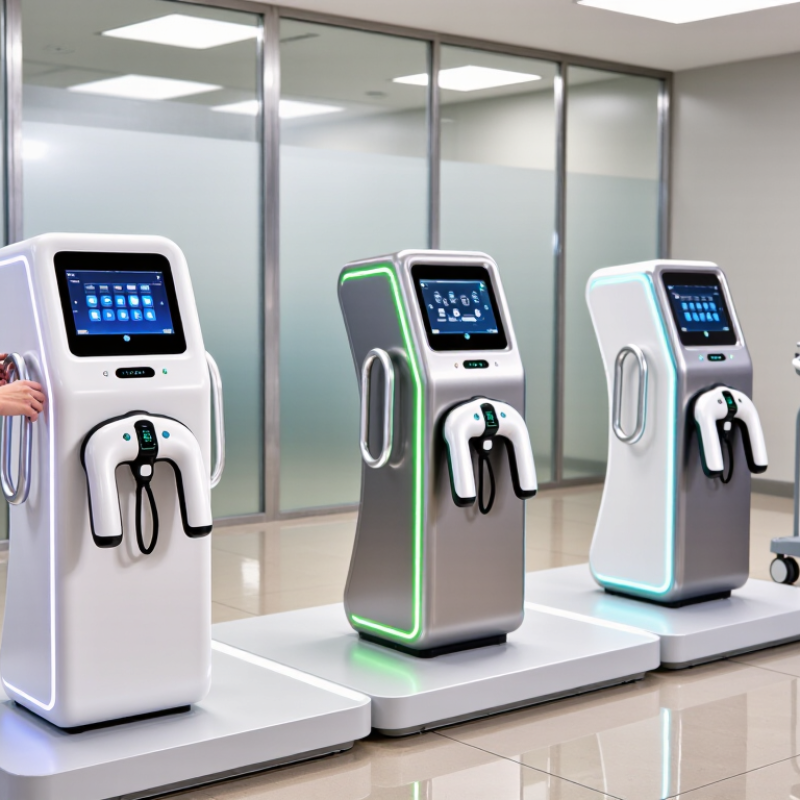
The 2026 wholesale market is demanding more than attractive specifications. Buyers need reliable performance, measurable outcomes, and responsible after-sales support. The global body contouring devices market was valued at approximately USD 2.23 billion in 2023, according to Fortune Business Insights. Its forecast suggests continued growth through 2032. Grand View Research also identifies rising demand for non-invasive aesthetic technologies, especially devices offering limited downtime.
The opportunity is substantial. The purchasing risk is real.
A Body Shaping Machine may use radiofrequency, cryolipolysis, ultrasound, electrical stimulation, or combined technologies. Each approach has different treatment limits, maintenance needs, and training requirements. Wholesale buyers should examine clinical evidence, warranty terms, consumable costs, operator training, and regional regulatory clearance. Marketing claims alone are not enough. The FDA, European regulators, and other authorities apply different requirements, so compliance must be checked locally.
Plastic surgeon Dr. Grant Stevens has said, “Patients want to look good, but they don’t want to look like they’ve had something done.” That expectation remains commercially important. Natural-looking outcomes influence reviews, referrals, and repeat business.
This guide evaluates the 2026 best Body Shaping Machine options through a buyer’s lens. It considers treatment versatility, safety documentation, usability, service response, and total ownership cost. A low purchase price can become expensive when parts fail or training is weak. The cheapest unit is rarely the safest investment.
Still, no comparison can predict every clinic’s results. Patient selection, operator skill, and treatment protocols matter greatly. That part is easy to underestimate. Reliable wholesalers should therefore combine supplier audits, practical demonstrations, and transparent evidence before placing large orders.
A body shaping machine is professional equipment designed to improve body contour and skin appearance. It may use controlled heat, cooling, vacuum, massage, or electrical stimulation. Some systems combine several technologies in one treatment platform. The purpose is contour refinement, not guaranteed weight loss. That distinction matters.
In professional settings, treatment begins with a client assessment. A trained operator reviews body goals, skin sensitivity, medical history, and treatment limitations. Results vary. A reliable supplier should provide clear manuals, maintenance records, operator training, and independent safety documentation. Wholesale buyers should also check installation support, replacement parts, warranty terms, and service response times. Ask about energy levels, applicator sizes, treatment duration, and cleaning procedures.
From a purchasing perspective, machine design affects daily efficiency. Comfortable applicators reduce operator fatigue. Adjustable settings support different body areas. A clear interface helps prevent avoidable mistakes. However, more functions do not always mean better value. That is easy to overlook. I would question dramatic before-and-after promises because photographs can hide lighting, posture, and time differences. Real performance depends on equipment quality, operator training, client selection, and consistent procedures. Even a well-built device cannot remove every uncertainty. A careful buyer should test usability, review technical evidence, and compare the machine with actual service needs.
For wholesale buyers, understanding how body shaping machines work is more valuable than choosing the most attractive design. These systems usually apply controlled energy or mechanical stimulation to targeted areas. Radiofrequency warms deeper tissue, while cooling systems reduce skin temperature in a measured way. Ultrasound creates pressure changes in fatty tissue, and vacuum handpieces gently lift and massage the skin. Electrical muscle stimulation causes repeated contractions through surface electrodes.
Results depend on energy settings, treatment duration, skin condition, and operator technique. A warmer treatment is not automatically better. Excessive intensity may cause discomfort or skin irritation. Professional evaluation, clear operating instructions, and routine equipment checks are essential. In practice, buyers should request safety documentation, training support, and realistic performance data. A machine may improve body contour appearance, but it should not be presented as a replacement for weight management or medical care. Results can also vary between clients. That uncertainty deserves honest communication.
Tips: Test the machine on different body areas before placing a large order. Check whether the handpiece feels balanced after ten minutes of use. Ask suppliers how they monitor temperature, pressure, or electrical output. Review cleaning procedures, consumable costs, warranty terms, and maintenance access. Keep treatment records during demonstrations. A detailed record often reveals problems that a quick showroom test misses. Wholesale buyers should also confirm that local professional requirements are understood before selling or operating the equipment.
| Technology | How It Works | Common Operating Parameters | Typical Treatment Areas | Typical Session Time | Expected Use Positioning | Wholesale Buyer Considerations |
|---|---|---|---|---|---|---|
| Radiofrequency (RF) | Delivers electromagnetic energy that heats tissue. Controlled heating may temporarily improve skin tightness and stimulate collagen-remodeling processes. | Approximately 0.5–2.45 MHz, depending on the device; surface temperature monitoring is commonly used for safety and consistency. | Abdomen, thighs, arms, buttocks and other areas with mild skin laxity. | Approximately 20–45 minutes per area. | Skin-firming and contour-support treatments; not a replacement for weight loss. | Check temperature-control accuracy, handpiece cooling, treatment-depth claims, electrical safety documentation and service requirements. |
| Cryolipolysis | Uses controlled cooling to affect subcutaneous fat cells while protecting the skin with an applicator membrane and temperature monitoring. | Applicator temperatures vary by model and protocol; many systems operate below 0°C, with programmed cooling and warming cycles. | Localized pinchable fat on the abdomen, flanks, thighs, back and under the chin, depending on applicator design. | Approximately 35–70 minutes per applicator cycle. | Non-surgical localized fat-reduction support after proper patient screening. | Evaluate applicator fit, cooling uniformity, consumable costs, emergency-release controls and the manufacturer’s adverse-event information. |
| High-Intensity Focused Electromagnetic (HIFEM) | Generates electromagnetic fields that induce repeated muscle contractions. The treatment is intended to support muscle stimulation and body contouring. | Frequency and intensity are device-specific; commercial systems commonly use pulsed protocols in the low-frequency range with adjustable intensity. | Abdomen, buttocks, arms and thighs, depending on applicator configuration. | Approximately 20–30 minutes per session. | Muscle-toning and contouring support, usually delivered as a series of sessions. | Confirm applicator attachment, intensity adjustment, treatment-cycle programming, contraindication screening and electromagnetic safety documentation. |
| Electrical Muscle Stimulation (EMS) | Delivers electrical pulses through electrodes to stimulate peripheral nerves and cause muscle contractions. | Pulse frequency, pulse width and intensity vary widely; adjustable protocols are important for comfort and different muscle groups. | Abdomen, thighs, calves, arms and buttocks. | Approximately 20–40 minutes per session. | Muscle activation and toning support; outcomes depend on settings, placement and user response. | Check electrode quality, skin-contact monitoring, waveform specifications, cable durability and electrical certification. |
| Ultrasound Cavitation | Uses low-frequency ultrasound energy to create pressure changes in liquid-rich tissue. The treatment is marketed for localized body-contouring applications. | Many commercial systems use approximately 25–40 kHz, but frequency, acoustic output and effective depth differ substantially by device. | Abdomen, flanks, thighs and other localized areas selected by the operator. | Approximately 20–40 minutes per area. | Localized contouring support; it should not be presented as a general weight-loss treatment. | Request verified acoustic-output data, applicator contact guidance, treatment limits, noise specifications and operator training materials. |
| Vacuum Massage / Endermology-Style Systems | Uses negative pressure, often combined with rollers or mechanical massage, to lift and mobilize superficial tissue and support temporary changes in skin appearance. | Vacuum levels are model-specific; many professional systems provide adjustable negative pressure and pulsed or continuous modes. | Thighs, buttocks, abdomen, arms and areas affected by the appearance of cellulite. | Approximately 30–60 minutes per session. | Temporary improvement in the appearance of cellulite and support for massage-based body treatments. | Check pressure stability, emergency-release function, filter maintenance, hose hygiene and suitability for different skin sensitivities. |
| Low-Level Light Therapy (LLLT) | Uses low-intensity red or near-infrared light. Proposed effects include photobiomodulation and temporary changes in the appearance of treated areas. | Common wavelengths include approximately 630–660 nm and 810–850 nm; irradiance and dose must be verified for each device. | Abdomen, waist, thighs, arms and other areas covered by the light panel or applicator. | Approximately 15–30 minutes per session. | Non-heating body-contouring support with generally low user discomfort. | Verify wavelength accuracy, irradiance, treatment dose, eye-safety instructions, LED lifespan and thermal management. |
| Combination RF + Vacuum | Combines controlled RF heating with vacuum-assisted tissue lifting or massage. The technologies may be used sequentially or simultaneously. | RF frequency, vacuum pressure and temperature limits vary by platform; independent adjustment of each energy is preferable. | Abdomen, thighs, buttocks, arms and areas with mild skin laxity or cellulite appearance. | Approximately 30–60 minutes per session. | Skin-firming and cellulite-appearance treatments with a broader operational workflow. | Prioritize independent energy controls, handpiece ergonomics, cooling performance, cleaning procedures and replacement-part availability. |
| Shockwave / Radial Pressure Wave | Delivers mechanical pressure pulses to superficial tissue. It is commonly used in aesthetic protocols aimed at improving the appearance of cellulite. | Frequency and pressure vary by handpiece; professional systems often provide adjustable pulse rates and energy levels. | Thighs, buttocks and selected areas with the appearance of cellulite. | Approximately 15–30 minutes per treatment area. | Cellulite-appearance support and tissue massage applications. | Check applicator durability, pulse-count rating, noise level, coupling-medium requirements and operator training for pressure control. |
| Multipolar RF + EMS + LED Platforms | Combines several energy modalities in one console. Each modality has a different physical mechanism and should be operated according to its own protocol. | Specifications depend on the platform; buyers should review RF frequency, EMS waveform, LED wavelengths and whether energies can be used independently. | Abdomen, thighs, arms, buttocks and other areas supported by the supplied applicators. | Approximately 30–60 minutes, depending on the selected protocol. | Multi-service body-contouring workflows for clinics, salons and wellness centers. | Confirm that each function has clear controls, separate safety limits, independent documentation and realistic training requirements. |
| Key Safety and Compliance Checks | Body-shaping devices can involve heat, cooling, electrical current, electromagnetic fields, light, ultrasound or mechanical pressure. Risk depends on the technology and user. | Use only validated operating ranges and follow the device manual, local regulations and professional training requirements. | All treatment areas and all user groups. | Determined by the device protocol and client assessment. | Proper screening is essential. Results vary, and no device should be marketed as a guaranteed weight-loss solution. | Request user manuals, risk-management documents, electrical and EMC test reports, local registration information, warranty terms, service response times and spare-parts availability. |

For wholesale buyers, the best body shaping machine in 2026 is not defined by appearance alone. Its key technologies should match treatment goals, operator skill, and client expectations.
Radiofrequency energy heats tissue gradually and may support skin tightening. Electromagnetic stimulation creates repeated muscle contractions, while vacuum systems improve contact and surface circulation.
These technologies work differently. They should not be judged by one impressive demonstration.
Cryolipolysis-based equipment requires careful temperature control and consistent applicator pressure. Cooling that feels uneven can damage trust quickly.
I once focused too much on output power and overlooked calibration records. That was a costly lesson.
Reliable equipment needs clear energy settings, emergency shutoffs, treatment timers, and straightforward maintenance access. Independent testing, documented safety procedures, and realistic clinical evidence matter more than dramatic sales language.
Results also vary with body type, treatment frequency, and operator technique.
Tips:
Ask for measured temperature and energy data, not only promotional photographs. Test several treatment modes on sample users.
Check whether replacement parts, training, and service support are available in your market. Keep client screening forms and treatment records.
A machine may look advanced, yet poor documentation can create daily problems. Review the interface carefully. Small controls matter.
Also, leave room for doubt; no single technology suits every client or delivers permanent results.
2026 Best Body Shaping Machine for Wholesale Buyers
Wholesale purchasing requires more than comparing advertised power. Review the treatment area, energy control, cooling system, and applicator design. A machine with several adjustable settings may suit more body types. However, extra features can increase training time and maintenance costs.
Ask for performance records from real commercial use. Check treatment times, expected consumable life, warranty coverage, and technical response speed. Request a live demonstration when possible. Observe how quickly the operator changes settings and cleans the applicators. Safety documentation and applicable market requirements also deserve careful review. The cheapest quote can be tempting, but it is not always the best calculation. No comparison is perfect. I would still test workflow before placing a large order.
Tips: Compare the total ownership cost, not only the unit price. Include shipping, installation, staff training, spare parts, and possible downtime. Request clear written specifications. Avoid vague claims such as “instant results” or “zero maintenance.” A reliable supplier should explain limitations without pressure. Check whether replacement parts are available for several years. For wholesale buyers, consistent support may matter more than a small discount. Examine the return terms carefully, especially when ordering multiple units.
The best body shaping machine is not always the most powerful model. For wholesale buyers, safety evidence and dependable supplier support matter more. Check the intended use, energy output, treatment limits, and operator controls before discussing volume pricing.
A clear emergency stop, insulated handpiece, temperature monitoring, and accessible user instructions should be standard features.
Request complete certification documents, not only a logo on a brochure. Depending on the destination market, this may include electrical safety, electromagnetic compatibility, risk management, and quality-system records.
Confirm that the documents match the exact model, factory, and production version. Test reports should show dates, laboratory details, and relevant standards.
Ask whether client-contact materials require biocompatibility evidence. Requirements differ by country.
Inspect one sample before placing a large order.
Observe cable strain relief, display accuracy, cooling performance, and cleaning access. Small faults become expensive at scale.
I would also review batch traceability, spare-part availability, warranty terms, and technician training. A supplier should explain complaint handling and incident reporting without hesitation.
Sales promises are not evidence. During evaluation, ask for a live demonstration and written answers to the same questions.
My checklist has changed after overlooking service response time once. It seemed minor. It was not.
A reliable supplier accepts independent inspection and provides controlled software updates, maintenance schedules, and accurate labeling for every shipment.