Leave Your Message
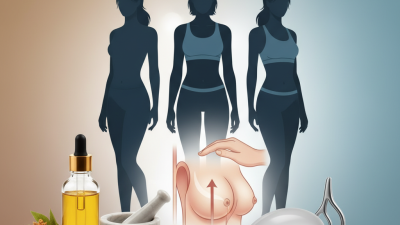
Choosing the right Breast Enhancement product in 2026 requires careful research, realistic expectations, and attention to personal safety. Global buyers now face a crowded market, including supportive bras, external shaping products, skincare formulas, and wellness supplements. Each option works differently. None should promise dramatic results without reliable evidence.
This guide examines product ingredients, manufacturing standards, customer support, sizing information, and return policies. It also considers third-party testing, transparent labeling, and regional compliance requirements. A product shipped across borders may have different rules in Canada, Europe, Asia, or the Middle East. Buyers should check local regulations before ordering. Small details matter, such as sealed packaging, batch numbers, clear dosage instructions, and responsive seller communication.
Real purchasing experience can reveal problems that advertisements hide. A bra may look supportive online but feel restrictive after six hours. A cream may have pleasant packaging but provide limited documented evidence. Some reviews are useful; others may be exaggerated or incomplete. This guide cannot replace medical advice, and that limitation matters. People with pain, sudden breast changes, allergies, pregnancy, or ongoing treatment should speak with a qualified healthcare professional before using unfamiliar products. Results differ between individuals. They may also take time.
The best choice is not always the most expensive one. It is the product with credible information, appropriate safety checks, and expectations grounded in reality. This 2026 overview helps international buyers compare options more carefully, avoid misleading claims, and make informed decisions within applicable laws.
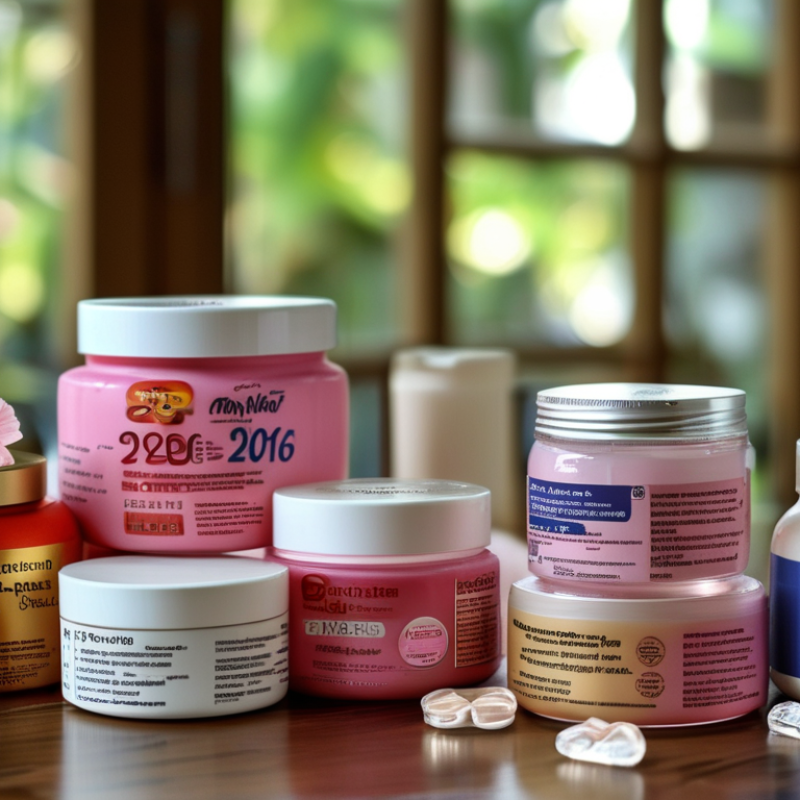
Breast enhancement products include topical creams, supplements, vacuum-based devices, padded garments, and medical implants. Their mechanisms differ greatly. Creams usually moisturize skin and may create a smoother appearance, but they cannot build breast tissue. Supplements often contain herbs or hormones marketed for enlargement. However, reliable clinical evidence remains limited, and ingredients may interact with medicines.
Vacuum devices create temporary tissue expansion through controlled negative pressure. Results can vary, and incorrect pressure may cause bruising or skin injury. Implants are different: they are regulated medical devices placed during surgery, not ordinary consumer products. The ISAPS 2023 Global Survey recorded about 1.9 million breast augmentation procedures worldwide. This figure shows demand, not proof that every method works. The U.S. FDA also advises consumers to review implant risks, including possible reoperation and capsular contracture, with a qualified clinician.
Tips: Check the full ingredient list, manufacturer instructions, and local approval status before purchasing. Do not trust “permanent growth” claims without peer-reviewed clinical evidence. A licensed healthcare professional can assess pregnancy history, medications, allergies, and personal goals. I would also question dramatic before-and-after images; lighting, posture, and temporary swelling can mislead buyers. Results are rarely identical. For global buyers, regulations and evidence standards may differ between countries, so independent medical advice matters.
Evidence-based comparison of common breast-enhancement product categories, mechanisms, expected outcomes, and buyer considerations
| Product Category | What It Is | How It Is Intended to Work | Evidence for Permanent Enlargement | Typical Outcome | Main Safety Considerations | Global Buyer Checks |
|---|---|---|---|---|---|---|
| Breast implants | Medical devices placed beneath breast tissue or the chest muscle during surgery. Common filling materials include silicone gel and saline. | They add volume directly and create a long-term change in breast size and shape. | Established surgical option | Predictable increase in volume, although shape and symmetry depend on anatomy, implant selection, and surgical technique. | Requires surgery and follow-up care. Possible risks include infection, bleeding, capsular contracture, rupture, changes in sensation, and revision surgery. | Confirm approval by the national medical-device regulator, qualified surgical providers, warranty terms, implant documentation, and access to long-term follow-up. |
| Autologous fat transfer | A surgical procedure that removes fat from another body area, processes it, and injects it into the breasts. | Uses transferred living fat cells to add volume and contour. | Established surgical option | Usually produces a modest increase. Some transferred fat may be reabsorbed, so results can change over time. | Risks include infection, bleeding, fat necrosis, cysts, contour irregularities, and the possible need for additional procedures. | Check surgeon credentials, facility accreditation, imaging and follow-up policies, total treatment cost, and rules for cross-border medical care. |
| Vacuum breast pumps | External devices that apply controlled negative pressure around the breast. | Temporary tissue expansion and increased fluid accumulation can make the breasts appear fuller for a short period. | Limited and temporary | Temporary swelling or fullness; there is no reliable evidence that routine use permanently increases breast size. | Excessive pressure or prolonged use may cause bruising, pain, skin irritation, broken capillaries, or swelling. | Look for adjustable pressure controls, clear instructions, cleaning guidance, contraindications, and compliance with local electrical or medical-device standards. |
| Topical creams, gels, and serums | Cosmetic products applied to the skin, often containing moisturizers, botanical extracts, or ingredients marketed for firming. | May hydrate the skin or temporarily improve its surface appearance. Skin absorption does not reliably create additional breast tissue. | No reliable proof of enlargement | Possible improvement in skin softness or temporary appearance; permanent breast growth has not been established. | Possible allergic reactions, irritation, photosensitivity, or undisclosed pharmaceutical ingredients in adulterated products. | Review the full ingredient list, batch and expiry information, safety testing, seller traceability, and cosmetic regulations in the destination market. |
| Oral supplements and herbal capsules | Products containing herbs, vitamins, minerals, or plant compounds such as phytoestrogens. | Marketing commonly claims hormonal or estrogen-like effects, but supplement ingredients do not reliably produce controlled breast-tissue growth. | No dependable clinical evidence | No predictable or clinically established increase in breast size. | Potential drug interactions, liver injury, hormone-related effects, contamination, inaccurate labeling, and pregnancy or breastfeeding concerns. | Check third-party testing, ingredient quantities, adverse-event reporting, import restrictions, and whether medical claims are permitted in the destination country. |
| Breast-support bras and padded inserts | Wearable garments or removable inserts designed to alter support, lift, projection, or visual contour. | They change external appearance and support without changing breast tissue. | Immediate visual effect only | Instant, reversible improvement in cleavage, lift, or symmetry while worn. | Incorrect sizing may cause pressure, chafing, shoulder discomfort, or skin irritation. | Confirm size charts, material composition, return policies, washing instructions, and whether the product meets textile labeling requirements. |
| Chest-strengthening exercise programs | Exercise routines that target the pectoral muscles beneath the breasts, such as push-ups and resistance exercises. | Muscle strengthening may improve posture and the underlying chest contour, but it does not enlarge breast tissue itself. | Indirect cosmetic effect | Possible improvement in upper-body strength, posture, and overall contour; breast size may not change. | Use progressive resistance and proper technique. Stop if sharp pain, injury, or unusual symptoms occur. | Prefer programs with qualified instruction, realistic claims, beginner modifications, and clear exercise-safety guidance. |
| Hormone-containing medicines | Prescription medicines used for specific medical conditions, contraception, or hormone therapy; they are not general breast-enhancement products. | Hormonal changes may cause breast tenderness or temporary fullness in some users, but effects are not a safe or predictable enlargement method. | Not appropriate for cosmetic self-use | Variable and medically dependent effects; any fullness may be temporary. | Can involve serious risks and contraindications, including blood clots, cardiovascular complications, and hormone-sensitive conditions. | Use only under care from a licensed clinician. Verify prescription requirements, approved indications, monitoring, and legal importation rules. |