How to Choose the Best Therapy Machine for Your Needs?
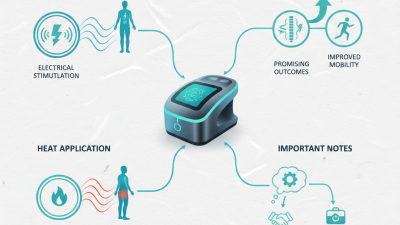
Choosing the right therapy machine can significantly impact your health and wellness journey. With the therapy machine market projected to reach $4 billion by 2026, understanding your options is crucial. Various machines target pain relief, muscle recovery, and overall wellness. Each machine offers different modalities, including electrical stimulation and infrared therapy.
Industry reports highlight that approximately 30% of consumers are dissatisfied with their chosen therapy machines. This dissatisfaction often stems from inadequate knowledge about specific needs. Personalized approaches are essential for effective therapy. Reviews and expert guidance can help users navigate various features and benefits.
While many machines claim to deliver results, not all fulfill their promises. Research indicates a disparity between manufacturers' claims and actual user experiences. Therefore, thorough research and self-reflection on your therapy goals are vital. Exploring options can lead to improved outcomes, making the right choice even more significant.

Understanding Different Types of Therapy Machines and Their Functions
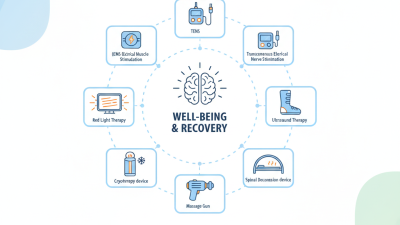
When selecting a therapy machine, understanding the different types is crucial. There are many options available, each designed for specific therapeutic needs. For instance, electrical stimulation units help in muscle recovery and pain relief. These machines can be a game-changer for athletes and individuals recovering from surgery.
Another popular choice is ultrasound therapy machines. They emit sound waves that promote tissue healing. Athletes often use these units to treat deep tissue injuries effectively. On the other hand, infrared therapy machines provide heat and improve blood circulation. However, they may not suit everyone. Users should consider their individual conditions and sensitivities before committing to a specific machine.
Choosing the right machine can be perplexing. Practical experience plays a huge role in making an informed decision. Many users find themselves overwhelmed by the options available. It’s essential to reflect on what has worked for you in the past and consult with professionals. Personalized recommendations can often lead you to the best choice. Remember, not every therapy machine works for everyone, and finding the right fit can take time and experimentation.
Choosing the Right Therapy Machine: A Comparison of Popular Types
Key Factors to Consider When Assessing Your Therapy Needs
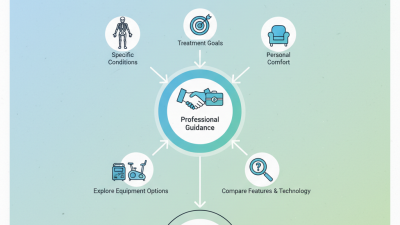
Choosing the right therapy machine can feel overwhelming. Assessing your therapy needs is essential for making a wise decision. Start by understanding your specific health goals. Are you seeking pain relief, muscle recovery, or relaxation? Knowing your primary objective can guide your choice significantly.
Consider the type of therapy you require. There are various machines for ultrasound, electrotherapy, and infrared therapy, among others. Each device serves a different purpose. Researching these options will help you identify the one that best fits your situation. Additionally, think about the machine's usability. A complex device may not be ideal if you're not tech-savvy.
Tips for making the right choice include trying demonstrations if possible. Experience the machine firsthand before committing. Take note of its comfort and efficiency during use. Additionally, review feedback from other users to gauge the machine’s performance. Reflect on your own experiences and how they compare to others. Sometimes, machines may seem perfect on paper but fall short in practice. Always weigh your expectations against real-world performance.
Evaluating the Features and Specifications of Therapy Machines
When selecting a therapy machine, evaluating features is critical. Understanding your needs will help you choose the right device. Many clinical studies suggest that specific features can enhance treatment outcomes. For instance, adjustable intensity settings enable personalized therapy. This customization can lead to better patient compliance and satisfaction.
Key features to consider include the machine’s technology and ease of use. Newer models often incorporate advanced technologies such as biofeedback sensors. These can provide real-time data and insights. For example, a report by the International Journal of Physiotherapy indicates that machines with integrated feedback mechanisms can increase treatment effectiveness by 25%. User-friendliness is vital as well; complex devices may deter patients and hinder their progress.
Portability is another essential factor. Many people seek therapy machines for home use. A study from the American Physical Therapy Association noted that nearly 40% of users prefer compact and lightweight designs for convenience. However, one should consider durability alongside portability. Machines that are too lightweight might compromise effectiveness or build quality. Thus, finding a balance between user-friendly features and robust design is necessary.
Researching Industry Standards and Professional Recommendations
When considering a therapy machine, researching industry standards is critical. Look for machines approved by recognized organizations. These standards provide safety and efficacy benchmarks. A quality machine should meet these guidelines. It is essential to pay attention to certifications, ensuring you select equipment that professionals trust.
Professional recommendations also play a crucial role. Consulting healthcare providers can yield insights tailored to your needs. Many experts have hands-on experience, allowing them to guide you in choosing a suitable machine. Online forums and reviews can be useful. They offer personal accounts and insights from users who have faced similar challenges.
However, not all recommendations are created equal. Some may be based on specific experiences that don’t apply universally. Reflect on how your circumstances differ. Always seek to clarify any doubts you have with professionals. This conversation might reveal weaknesses in particular brands or models. Your needs are unique. Customize your research to align with your specific goals for therapy.
Analyzing Cost vs. Benefit in Selecting a Therapy Machine
Selecting a therapy machine involves considering both cost and benefit. According to a report from the Health Technology Assessment, the average cost of these devices can range significantly, from as low as $200 to upwards of $2,000. Such a broad spectrum demands careful analysis of features and personal requirements. Investing in an affordable machine may save money upfront, but it often lacks advanced functionalities. These functionalities can enhance therapy effectiveness.
When assessing value, it's essential to evaluate what each machine offers. A study published in the Journal of Rehabilitation Research suggests that higher-priced machines often incorporate better technology. They may result in improved outcomes, such as faster recovery times or reduced pain levels. Additionally, the durability of materials and warranty periods can affect long-term costs, challenging initial assessments based solely on purchase price.
Users must also reflect on their unique therapy needs. A device that excels in one area may fall short in another. Many machines boast multiple settings and modes, but these may not align with every individual's therapeutic goals. Assessing personal requirements, along with professional recommendations, can provide insight into the best choice. Balancing these elements will lead to a more informed decision, ensuring that the selected machine truly meets one's needs.