What is EMS Instrument and How Does it Work?
In recent years, the demand for EMS instruments has surged. According to a recent market report, the global EMS market is projected to reach USD 4.2 billion by 2027, growing at a CAGR of 8.5%. This rise reflects a growing awareness of alternative health solutions. EMS instruments use electrical impulses to stimulate muscles, enhancing strength and recovery.
Many professionals in fitness, rehabilitation, and beauty sectors implement EMS technology. For instance, trainers use these devices to complement workout routines. Beauty clinics employ EMS for skin tightening and anti-aging treatments. Users often report quick results, which is appealing. However, the effectiveness of these instruments can vary significantly based on individual needs and conditions.
Despite the promise they hold, EMS instruments are not miracle solutions. Some users may experience discomfort or inadequate results, leading to potential disillusionment. As the industry evolves, ongoing research is vital to optimize the technology and training for its application. Striking a balance between expectations and reality will shape the future of EMS instruments.
What is EMS Instrument?
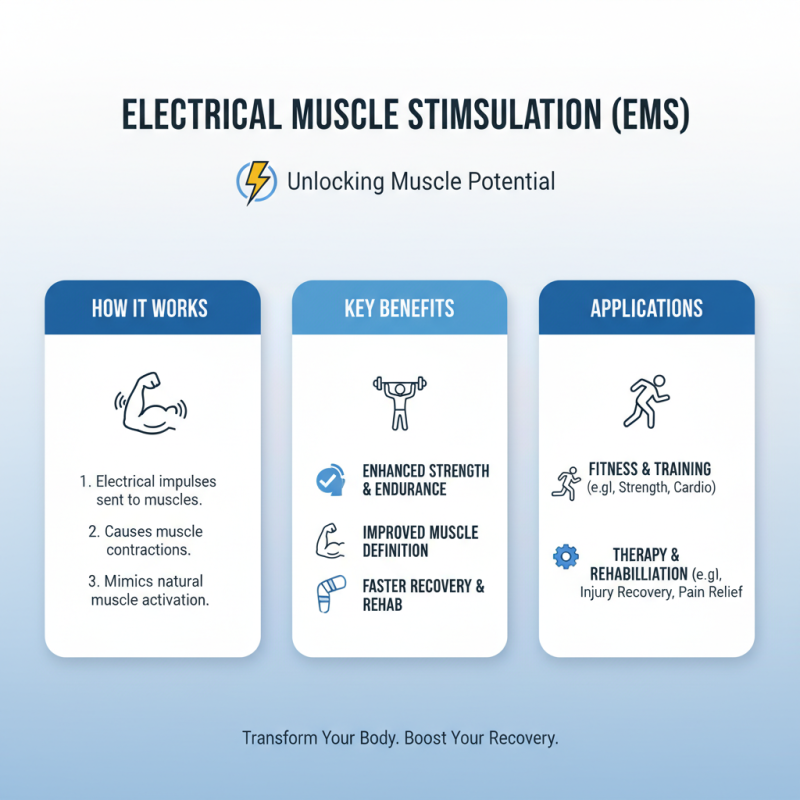
EMS, or Electrical Muscle Stimulation, is a powerful tool used in various fitness and rehabilitation settings. It works by sending electrical impulses to muscles, causing them to contract. This stimulation can enhance muscle performance and aid in recovery. Users often see improvements in strength, endurance, and muscle definition with regular use.
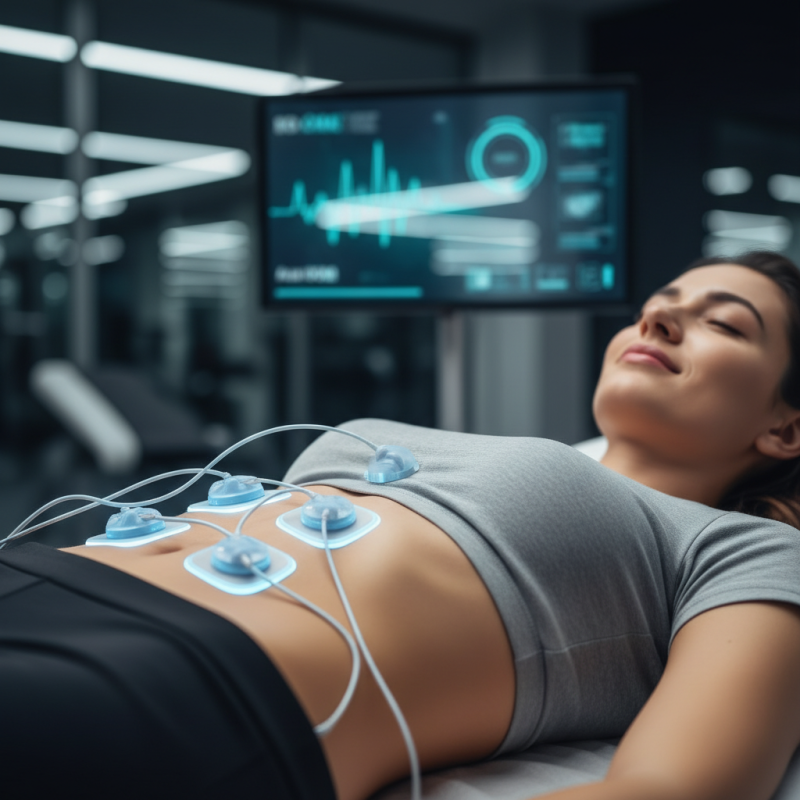
Many people are curious about how EMS instruments fit into their fitness routines. They offer a unique way to engage muscles without traditional exercise. Picture a tight abdominal area responding to targeted electrical currents. The sensation can be strange but effective. However, relying solely on EMS without proper exercise may lead to limited gains. It’s crucial to combine this technology with a comprehensive fitness plan.
While EMS instruments have benefits, they also require mindful usage. Users must understand their body’s response to electrical stimulation. Overuse could lead to discomfort or muscle strain, so moderation is key. Remember, listening to your body is essential for effective and safe use of these devices. Finding a balance between stimulation and active workouts may yield the best results.
The Science Behind EMS Technology
Electrical Muscle Stimulation (EMS) is a fascinating technology. It uses electrical impulses to make muscles contract. This process mimics the way our muscles naturally respond to signals from the nervous system. By applying these impulses, EMS can enhance muscle strength and endurance. It is not just for athletes, but for anyone aiming to tone their body.
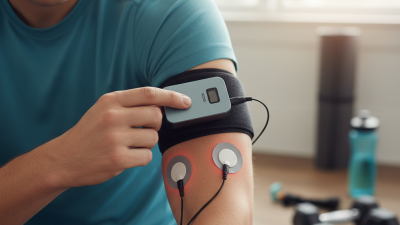
The science behind EMS technology is intriguing. Electrodes placed on the skin deliver impulses that reach the muscle fibers directly. This process can stimulate both shallow and deep muscle layers. While it sounds simple, the effectiveness often varies among individuals. Some may feel strong contractions, while others may not. This discrepancy can lead to frustration for users seeking optimal results.
Understanding the human muscle response is key. Each body reacts differently to stimulation. Factors like hydration, body fat, and muscle conditioning play a role. It’s essential to approach EMS with realistic expectations. Some may find that consistent use leads to noticeable progress, while others may need to explore adjustments. Engaging with EMS technology is an interesting experience, forced reflection on one's own physical journey.
EMS Technology Application Comparison
This bar chart illustrates the various applications of EMS technology and their respective percentages. Muscle stimulation is the most prevalent application, followed by pain relief and rehabilitation, highlighting the versatility of EMS technology in different fields.
How EMS Instruments Function Mechanically
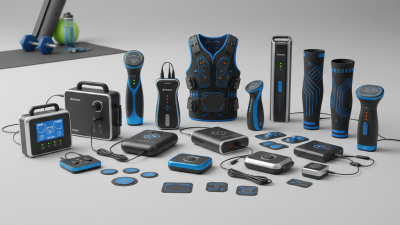
EMS instruments, or electrical muscle stimulation devices, have gained attention in various fields, especially in fitness and therapy. Mechanically, these devices send electrical impulses through electrodes placed on the skin. This process aims to stimulate muscle contractions, mimicking the natural firing of nerves. Users often wonder how effective these contractions are compared to traditional exercise.
The electrodes can be adjusted in terms of intensity and frequency. This customization allows users to tailor their experience according to their needs. Some settings may lead to a tingling sensation, which can feel uncomfortable but is often part of the process. It's important to find the right level for your comfort and effectiveness. Not everyone responds the same way; some may experience fatigue while others may enjoy the stimulation.
While EMS instruments present an innovative approach, they also raise questions. Can they replace regular workouts? The answer is likely no. They can complement physical activities but shouldn’t be the sole method. Users often report mixed feelings about reliance on technology for fitness. Balancing technology with natural movement remains a crucial consideration for many.
What is EMS Instrument and How Does it Work? - How EMS Instruments Function Mechanically
| Feature |
Description |
Functionality |
Application |
| Electrical Stimulation |
Uses electrical impulses to stimulate muscle contraction. |
Enhances muscle strength and endurance. |
Rehabilitation, sports training. |
| Control Mechanism |
Operated through preset programs or manual settings. |
Allows customization of stimulation patterns and intensity. |
Physical therapy, pain management. |
| Electrode Placement |
Electrodes are strategically placed on target muscles. |
Directs electrical impulses to specific muscle groups. |
Muscle recovery, strength training. |
| Types of EMS |
Includes neuromuscular electrical stimulation (NMES) and functional electrical stimulation (FES). |
Different types are used for various therapeutic functions. |
Rehabilitation after injury or surgery. |
| Safety Features |
Built-in safety mechanisms to prevent overstimulation. |
Ensures safe use for all patients. |
Hospital and clinical settings. |
Applications of EMS in Various Fields
EMS instruments, or Electrical Muscle Stimulation devices, are increasingly popular in various sectors. Their primary function involves stimulating muscles through electrical impulses, aiding in muscle recovery, rehabilitation, and even improving athletic performance. Studies show that EMS can enhance muscle strength by up to 30% when used appropriately.
In healthcare, EMS has found applications in physical therapy. It helps patients regain mobility after surgery or injury. Reports indicate that around 60% of physical therapists incorporate EMS in treatment plans. The technology can reduce pain and accelerate healing, which is critical for rehabilitation. For athletes, EMS training sessions often complement traditional workouts. Some professional athletes report significant improvements in endurance and speed.
Tips: Always consult a professional before trying EMS devices. Incorrect use can lead to muscle strain or discomfort. Keep in mind that while EMS can aid performance, it’s not a substitute for traditional training. Balance your routine for optimal results.
In the beauty industry, EMS is utilized in skincare treatments. It promotes collagen production and reduces fine lines. However, results can vary widely among users. A survey revealed that about 70% of users noticed improvement, but some reported no visible changes. Therefore, it’s essential to approach EMS with realistic expectations.
Benefits and Limitations of Using EMS Instruments
Electro Muscle Stimulation (EMS) instruments offer various benefits, particularly in rehabilitation and fitness. Research shows that EMS can enhance muscle strength by up to 30%. This is significant for athletes and individuals recovering from injuries. The stimulation can activate deeper muscle fibers, which are often hard to engage through regular exercise alone. Consequently, users may achieve quicker results in muscle toning and strength gains.
However, EMS also has limitations that must be considered. Not every user experiences the same benefits. Some people may feel discomfort or skin irritation during sessions. Reports indicate that about 15% of users encounter adverse skin reactions. Furthermore, EMS should not replace regular exercise. It serves as a complement rather than a substitute. In real-world applications, many struggle to incorporate EMS into their fitness routines effectively.
This discrepancy in results highlights the need for proper guidance and realistic expectations. Consulting with a qualified professional can optimize the use of EMS instruments. As the technology evolves, ongoing research is vital to address these challenges. The effectiveness of EMS varies widely among individuals, which can leave users feeling frustrated at times.