Essential Tips for Choosing a Physical Therapy Machine?
Choosing the right physical therapy machine can be overwhelming. There are many options available in the market. Each machine serves different purposes and caters to various needs.
When selecting a physical therapy machine, consider several key factors. Think about your rehabilitation goals. Are you focusing on strength, mobility, or pain relief? Different machines can address these needs differently. Take time to assess the space you have. Not all machines fit easily in every home or clinic.
Cost is another significant factor. High-quality machines may require a larger investment. However, less expensive options may not offer the necessary features. Reflect on the importance of user reviews and testimonials. They provide insights into how effective a machine can be. Ultimately, making an informed choice can lead to better therapy outcomes and overall satisfaction.
Key Features to Consider in Physical Therapy Machines
Choosing the right physical therapy machine requires careful consideration of key features.
One important factor is the machine's versatility. Machines that offer multiple functions can cater to different therapy needs.
Look for devices that can provide resistance training, stretching, and massage. This flexibility allows users to target specific injuries effectively.
Another feature to consider is user comfort. Machines should have adjustable settings to accommodate various body types and therapy goals.
For example, padded surfaces and ergonomic designs can enhance the experience. Safety features, such as emergency stops and clear instructions, are also essential.
These can prevent accidents and provide peace of mind during use.
Lastly, consider the ease of maintenance. Machines that are simple to clean and have durable parts will save time and effort.
It is worth contemplating whether the machine will require professional servicing often.
Reflecting on these criteria will help ensure that the selected machine meets both current and future therapy needs.
Each feature plays a critical role in the overall user experience.
Evaluating the effectiveness of Different Physical Therapy Modalities
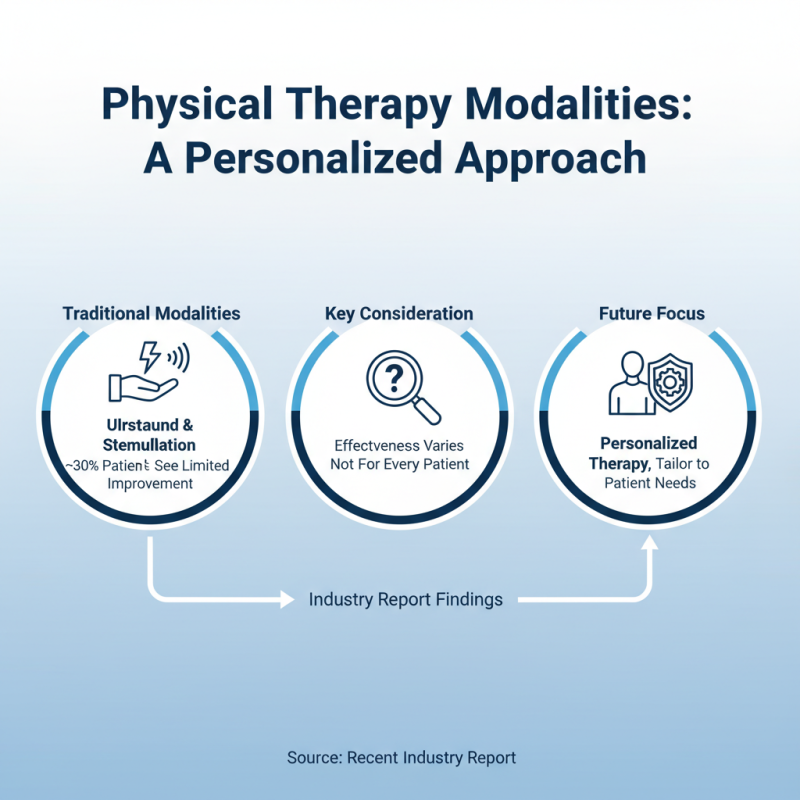
When evaluating the effectiveness of different physical therapy modalities, it’s crucial to consider specific factors. Various machines offer unique benefits, but not all are equally effective for every patient. According to a recent industry report, around 30% of patients experienced limited improvement with standard modalities like ultrasound and electrical stimulation. This highlights the need for a more personalized approach.
Research shows that innovative machines, such as those utilizing robotic technology, can increase recovery rates by 40%. However, the results can vary significantly. A study indicated that patients using these advanced modalities reported improved outcomes, yet one in five still indicated dissatisfaction. This raises questions about the universality of these approaches. Not every modality may suit every condition or individual.
Furthermore, it's essential to assess the patient's specific needs. Modalities should align with their treatment goals. For instance, while some patients thrive under heat therapy, others may find it ineffective. Continuous feedback during therapy is necessary. Machines should be adaptable based on patient response. This iterative process can lead to better outcomes while acknowledging that no single solution fits all.
Importance of User-Friendliness in Physical Therapy Equipment
User-friendliness is crucial when selecting physical therapy machines. A machine should feel intuitive and easy to navigate. Complex controls can frustrate both patients and therapists. Simple interfaces, clear instructions, and accessible settings make a difference. If someone struggles to understand the equipment, therapy sessions can be less effective.
The design of a therapy machine should accommodate various users. Height adjustments and comfortable grips matter for different body types. Machines that require excessive effort can dissuade some patients. It's essential to listen to feedback from users to improve their experience. Observing their interactions can reveal hidden issues, such as confusing displays that may lead to mistakes.
Training is vital, but the equipment should not rely solely on it. Even a well-trained user might find intricate machines overwhelming. Balancing advanced features with straightforward operation fosters confidence in both therapists and patients. Ultimately, a user-friendly machine enhances rehabilitation outcomes. Making these choices requires reflection on the needs of those who will use them.
Cost vs. Quality: Making Informed Purchasing Decisions
When considering a physical therapy machine, cost and quality should lead your decision-making process. It’s tempting to go for low prices. However, lower costs often come with compromises. You might save money upfront, but long-term durability may suffer. Research indicates that high-quality machines have better performance and lifespan. This ultimately leads to better value.
Investing wisely in physical therapy equipment can make a significant difference. Focus on features that truly benefit the user. Look for machines that offer a range of functions. This versatility can enhance therapy sessions. Ensure the design attunes to user needs. Comfort and ease of use are critical.
Before purchasing, compare multiple options. This comparison can reveal hidden costs associated with cheaper machines. Pay attention to warranty and service options. These factors influence long-term satisfaction. Don’t overlook the importance of customer reviews. They can guide your choices, providing real-user insights. Remember, it's not just about immediate savings, but the overall benefit to health and recovery.